
From Chemicals to Abundance: Mussa Shidamalumba’s Journey
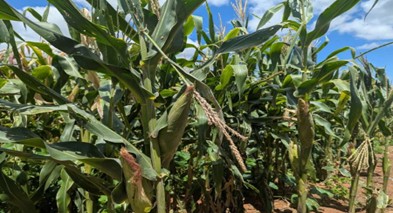
Mussa Shidamalumba, a smallholder farmer from Mbugani Village in Iringa Region, once relied entirely on monocropping maize and using synthetic fertilizers and pesticides.
Over time, the heavy use of chemicals degraded his soil. The land became compact, unable to retain water effectively, and increasingly vulnerable to pests and declining productivity.
The Turning Point:
Mussa joined a farmer group and attended practical agroecology training sessions facilitated by SAT. Through the training, he learned how farming systems can work with nature to restore soil fertility while improving productivity.
Today, Mussa prepares biofertilizers and biopesticides using locally available materials such as aloe vera, moringa, neem, and pepper.
The Results:
After training, Mussa began applying composting, manure application, intercropping, crop rotation, and botanical extracts for pest management.
From One Acre to Three Acres:
As his productivity and income improved, Mussa expanded his land ownership from one acre to three acres
A Message to Young People:
“I am proud to work in agriculture. I invite young people to change their mindset because agriculture can solve problems related to health, wealth, and food security.”
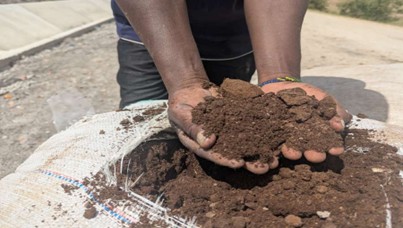
“Before, I spent a lot of money on chemical fertilizers and pesticides, but today things are different. My production costs have gone down significantly because I now use natural materials such as aloe vera, moringa, neem, and pepper to prepare biofertilizers and biopesticides. The soil has become softer and retains water better, while my crops are healthier, taste better, and stay fresh longer after harvest. At first, when I heard about the opportunity to be trained in organic agriculture, I honestly had no hope and thought it would be another failed illusion. But today, I deeply thank SAT because I have gained valuable skills in biopesticides, biofertilizers, and intercropping. I am now confident that I can harvest more than one crop while improving soil fertility through intercropping with legumes. I spend less, earn more profit, and farm in a way that protects the environment. This is how agroecology can transform the livelihoods of farmers in a changing world.” — Mussa Shidamalumba


Related Posts


